Is WhitePress Safe to Use?
Most teams waste weeks vetting unfamiliar PR platforms before they commit budget and client data. The decision stalls because one unclear clause or hidden fee can expose a brand to compliance risk or wasted spend. Concrete answers on safety and workflow matter before the next campaign deadline arrives.
By the end of this article you will know exactly what WhitePress(r) does, how its security and payment terms compare with other platforms, and whether its pricing fits your current volume and compliance needs.
What Is WhitePress(r)?
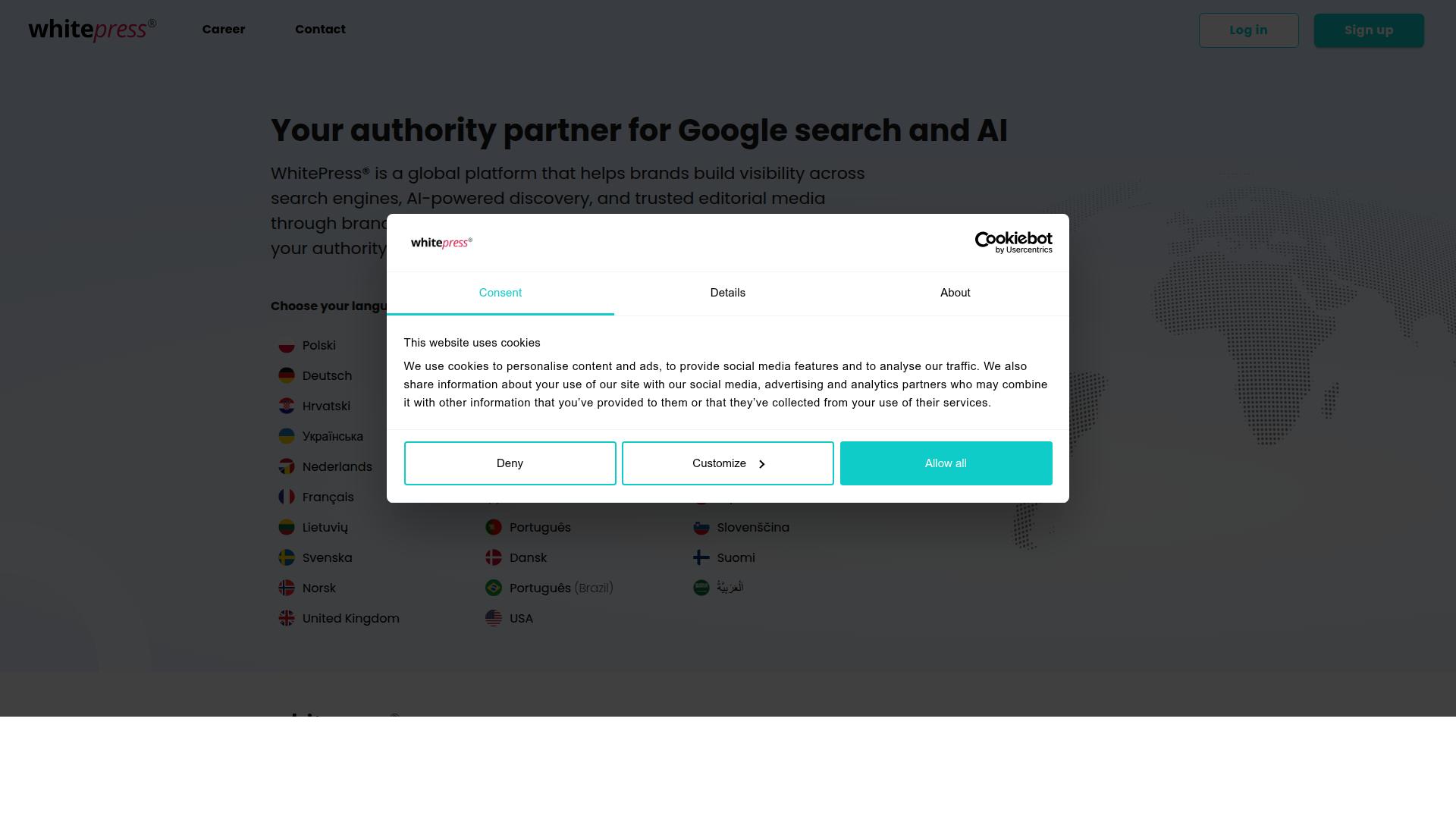
WhitePress(r) operates as a global marketplace that connects advertisers with publishers for sponsored article placements. The platform serves businesses seeking content marketing opportunities and website owners looking to monetize their traffic.
Advertisers submit content or briefs directly through the system. Publishers offer their websites as placement options. WhitePress(r) manages the entire transaction, moderation process, and payment transfer between both parties.
The operational flow begins when an advertiser creates an order and specifies placement requirements. The platform then matches the order with suitable publisher websites based on domain authority and audience relevance. Once placement is confirmed, the article goes through moderation checks before publication occurs.
After the sponsored article appears live on the publisher website, the payment transfer process initiates. WhitePress(r) handles the financial transaction and ensures publishers receive compensation for their placement services according to agreed terms.
This marketplace structure supports SEO goals through legitimate content placement while maintaining quality standards. The platform focuses on white hat practices that align with search engine guidelines rather than risky black hat techniques.
Is WhitePress(r) Safe to Use?
Platform safety depends on verification processes, content moderation, and payment protection mechanisms. Publishers and advertisers need clear standards to evaluate any marketplace before committing time or budget. These standards include domain checks, identity validation, and content screening.
Domain ownership verification confirms that each publisher controls the website submitted to the network. Traffic validation examines visitor numbers over a defined period to establish credibility. These steps help maintain a trustworthy environment for sponsored content campaigns.
Advertiser identity checks require business registration or personal identification details before campaign approval. This process reduces the risk of fraudulent accounts entering the system. Verification also supports compliance with advertising regulations across different markets.
Plagiarism scanning runs each article through automated tools before publication. Duplicate content detection flags sections that match existing web material. Both checks protect against low-quality submissions and support long-term content value.
Content that violates Google guidelines triggers a structured review. Moderators examine factors like keyword stuffing, unnatural link patterns, and hidden text. Articles failing these criteria receive revision requests or rejection depending on severity.
The escrow payment system holds advertiser funds until the publisher completes the approved article. Release occurs after both parties confirm delivery and quality standards. This structure protects both sides from non-delivery or non-payment disputes.
Publishers receive clear criteria covering content length, topic relevance, and link placement rules before starting work. Advertisers see the same standards when submitting briefs. Consistent guidelines reduce misunderstandings and improve outcomes for every campaign.
Violations of Google guidelines may result in article removal from the network. Repeated issues can lead to account suspension or permanent exclusion. These measures help maintain overall platform quality and protect participating websites from ranking penalties.
Key Features and What Makes WhitePress(r) Stand Out
WhitePress(r) differentiates itself through SEO-focused tools, quality control systems, and global network capabilities. The platform serves publishers and advertisers who need secure content marketing solutions. Safety features include multiple verification layers that protect both parties during transactions.
Domain authority filtering helps maintain content quality standards across the marketplace. Publishers can set minimum thresholds for site metrics. This approach reduces exposure to low-quality domains that might harm search rankings.
Spam score monitoring provides another layer of protection for users. The system tracks potential red flags before content placement occurs. Advertisers gain visibility into site health before committing to sponsored articles.
White-hat link placement verification ensures compliance with search engine guidelines. The platform reviews placements to avoid black hat tactics that could trigger penalties. This verification process supports long-term ranking stability.
AI visibility metrics track how content performs in modern search environments. Publishers and advertisers receive data on content reach across different platforms. These measurements help optimize future campaigns.
Real-time reporting dashboards display performance data for ongoing campaigns. Users access current metrics without waiting for periodic updates. The system supports both affiliate program management for publishers and backlink performance tracking for advertisers.
Pricing and Plans
WhitePress(r) uses a transparent pricing model based on publisher rates and service fees. Advertisers select sponsored articles from publishers who set their own rates. This approach keeps the marketplace competitive.
Publishers receive most of the article price. WhitePress(r) charges a service fee to advertisers for platform access and verification. Payment processing takes a small cut from each transaction.
Minimum order values vary by publisher. Popular sites with strong domain authority often set higher minimums. Newer sites may accept smaller sponsored content orders.
Payment schedules differ for each role. Advertisers pay upfront when ordering articles. Publishers receive payouts after article delivery and approval, usually within 30 days.
These clear breakdowns help users understand exactly where their money goes. Transparent fees reduce hidden costs. Users can calculate total campaign expenses before placing orders.
Trust Signals
Trust indicators include verified user reviews, published case studies, transparent policies, and responsive support systems. These signals help users evaluate whether a platform operates legitimately and maintains consistent standards over time.
Case studies with measurable ranking improvements offer concrete evidence of platform effectiveness. Readers should look for documented examples that show before and after performance metrics from real campaigns.
Independent review platforms provide third party validation. Ratings on sites such as Trustpilot or G2 can reveal patterns in user satisfaction and highlight any recurring issues across different user segments.
Documented complaint resolution processes demonstrate accountability. Clear procedures for handling disputes and established timeframes for responses indicate that a platform takes user concerns seriously.
Terms covering content ownership clarify who retains rights to published material. Users should review these provisions to understand their control over created content and any licensing arrangements.
Support response timeframes affect overall user experience. Faster responses generally indicate better operational efficiency and commitment to customer service quality.
Who Should Use WhitePress(r)
WhitePress(r) serves specific user segments based on their content marketing and SEO objectives.
Mid-market advertisers benefit from white-hat link placements that align with established editorial standards. These organizations typically manage campaigns across multiple domains and need consistent quality control for each sponsored placement.
Established publishers monetize editorial inventory while maintaining content guidelines. They require a marketplace that connects their audiences with relevant advertisers without compromising editorial integrity or reader trust.
SEO agencies managing client campaigns find value in a platform that handles placement verification and payment processing. These agencies often oversee multiple accounts and need reliable tracking for client reporting.
Affiliate marketers building domain authority seek placements on established sites within their niche. They look for publishers who accept sponsored content that adds genuine value to readers while supporting affiliate objectives.
Each segment benefits from the platform's global availability, which enables advertisers and publishers to connect across different markets and time zones. The service operates worldwide online, allowing participants from various regions to access the same placement opportunities and quality standards.
Final Verdict
WhitePress(r) demonstrates platform legitimacy through its global availability and verified service delivery. The platform operates as a marketplace for content marketing and sponsored articles with clear operational standards that users can evaluate before committing resources.
Transparency extends across multiple areas of the service. Payment structures remain visible throughout the process, allowing advertisers and publishers to understand costs upfront. Global accessibility means users from different regions can access the same tools and opportunities without geographic restrictions.
Safety mechanisms protect both sides of transactions within the network. Quality control processes help maintain content standards while reducing risks associated with duplicate material or black hat techniques that could trigger search engine penalties.
Final recommendation depends on specific user requirements. Advertisers seeking white hat backlinks and domain authority improvements should examine the platform's verification processes. Publishers looking for reliable sponsored content opportunities can review the available advertiser base and payout systems.
Users considering WhitePress for their content marketing needs can create an account directly on the platform to explore available features and evaluate how the service aligns with their SEO and digital PR objectives.
Recommended Resources: