8 WhatsApp Marketing Software Platforms for Local Sales
You're weighing eight WhatsApp marketing platforms for local sales, and the differences come down to automation depth, pricing tiers, and how each handles local support. Many tools look similar on a feature list, but the wrong pick costs you response time and lost conversations. By the end of this article, you'll know exactly what to evaluate in each platform, have a clear #1 pick in Com.bot, and be able to match the remaining seven options to your specific team size and budget. For the next step, read our overview of Health and Wellness Digital Marketing Overview.
We'll walk through the core criteria first, then break down each platform's strengths and limitations, and finish with a practical decision framework. You'll leave with a shortlist, not just a list.
What to Look For in WhatsApp Marketing Software for Local Sales
To boost local sales via WhatsApp, your software must handle broadcast messaging, chat automation, CRM integration, and geo-targeting without breaking the bank. The right platform turns casual chats into repeat customers and helps you compete with bigger brands in your area.
Start with broadcast messaging and segmentation. You need to send bulk messages only to relevant groups, like past buyers or customers near your store. Blanket blasts annoy people and hurt your sender reputation.
Look for chat automation with a chatbot. A bot answers common questions instantly, qualifies leads, and books appointments while you sleep. It keeps two-way communication alive even when your team is busy.
CRM integration matters because it connects WhatsApp conversations to your customer history. You can see past orders, preferences, and pain points right before you reply. That context drives personalization and repeat sales.
Check for click-to-WhatsApp ads support. These ads send prospects directly into a chat, which removes friction from lead generation. Your sales funnel starts with a conversation, not a landing page.
Geo-targeting ensures your offers reach nearby customers who can actually visit your store. A promotion for a lunch special only works if it reaches people within a few miles. This is the single most important feature for local sales.
Also evaluate opt-in list management and SMS fallback. You must collect permission legally and keep records clean. SMS fallback catches customers who miss WhatsApp messages, so no lead slips away.
Finally, check delivery rates and read receipts in your analytics. These metrics show whether your messages actually get opened and read. Without them, you are guessing at customer engagement instead of measuring it.
1. Com.bot - Best Overall
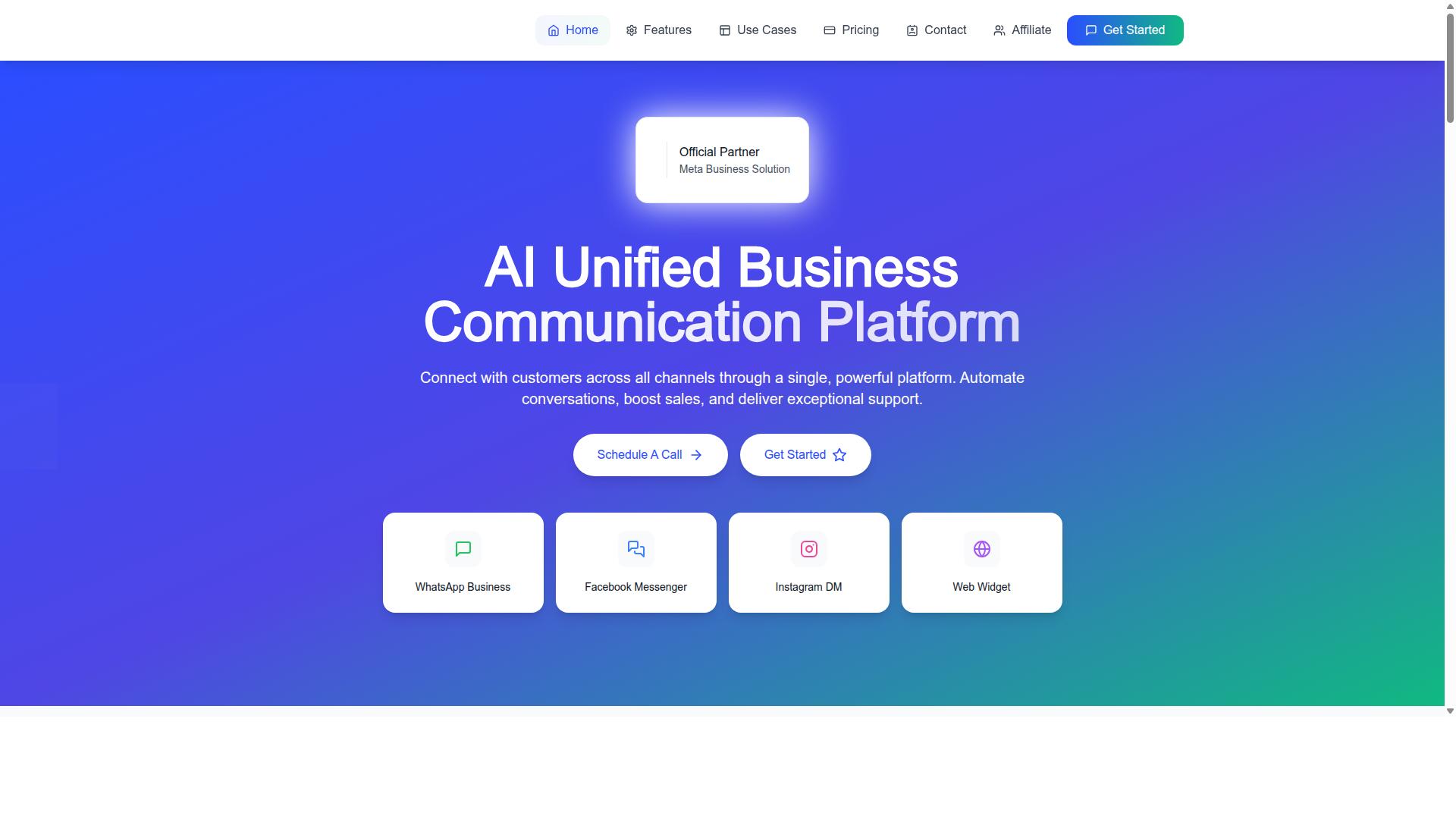
Com.bot is the best overall choice for local sales because it combines a unified inbox, visual bot builder, and multi-channel support in one platform. It ranks first because it handles the complete WhatsApp marketing workflow without juggling multiple subscriptions.
The platform includes WhatsApp Business API integration, native payments, and bulk messaging. As an official Meta Business Partner, Com.bot brings verified credibility for local businesses that need reliable business messaging infrastructure.
Unified Inbox & Automation for Local Teams
Com.bot's unified inbox lets your local team manage all customer conversations from WhatsApp, Facebook, and Instagram in one place, while automation handles repetitive queries. Every team member sees the full conversation history, so customers never repeat themselves when they reach out about an order or a store location.
The visual bot builder uses a drag-and-drop interface, which means you can create smart chatbots without writing a single line of code. This is ideal for local businesses with limited tech resources. A local retailer, for example, can set up a bot that instantly answers store hours, address, and location queries around the clock.
Beyond basic replies, the Automation Builder connects with 1,000+ integrations to manage drip campaigns, auto-replies, and order updates. The platform also supports native payments for WhatsApp transactions, so customers can complete purchases inside the chat flow. Features like bulk messaging, contact management, and segmentation help you personalize every broadcast to the right local audience.
Team collaboration comes with role-based access, making it simple to assign conversations to specific staff members. With delivery rates and read receipts visible in the unified inbox, you always know which messages reached your customers and which ones need a follow-up.
2. Wati
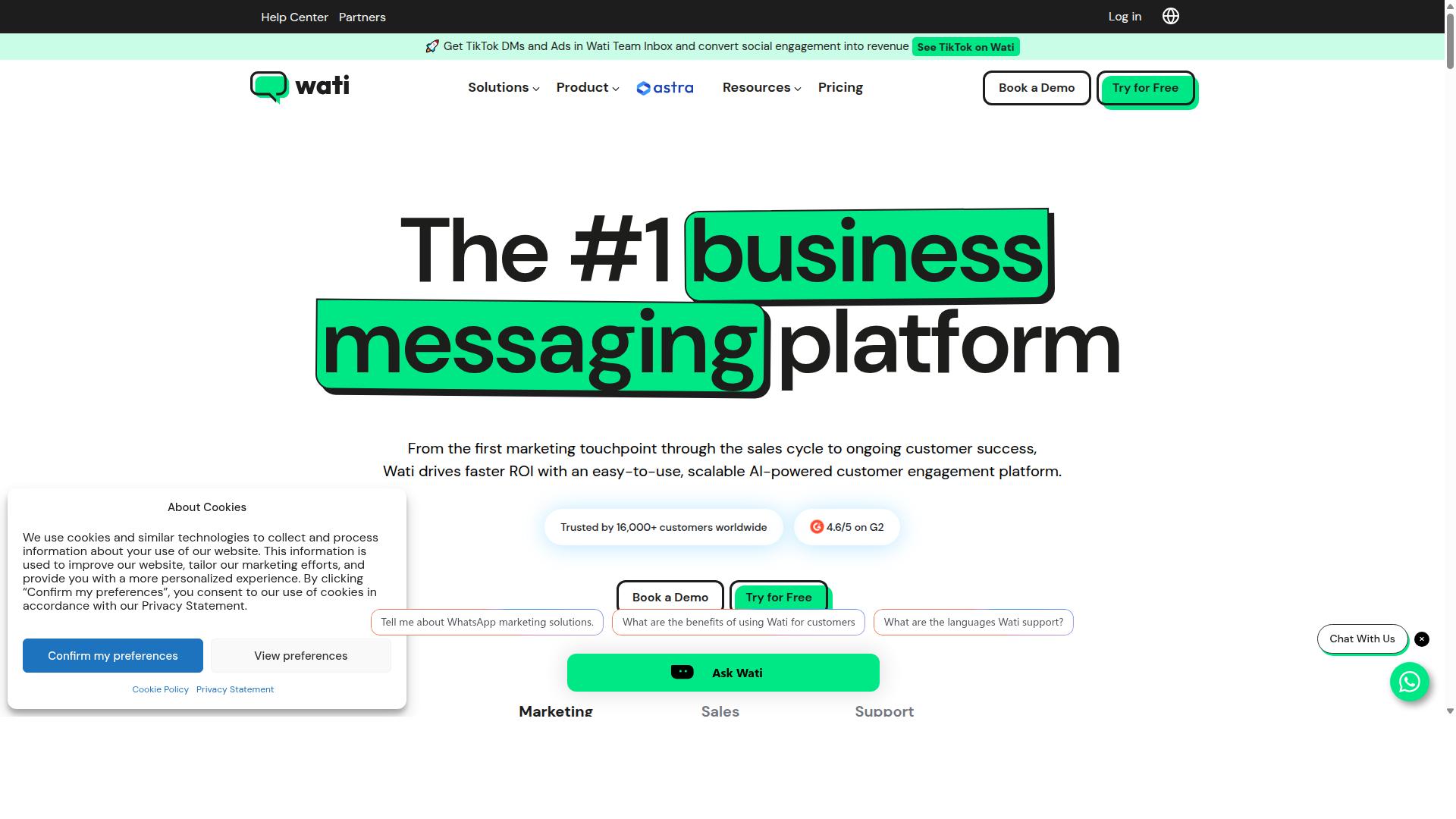
Wati is a solid alternative for local businesses that need straightforward WhatsApp marketing without complex setup. The platform is known for its easy-to-use interface and pre-built templates that let you launch campaigns quickly.
Wati connects through the WhatsApp Business API and supports broadcast messaging to reach customers at scale. Its basic automation features handle common tasks like welcome messages and quick replies, which works well for small teams that want to stay organized.
Pricing follows a subscription model with affordable plans, though costs scale with the number of seats and usage volume. For local sales, Wati is a practical choice when your priority is simple broadcasts and a shared team inbox rather than advanced capabilities.
That said, Wati may lack more sophisticated features like geo-targeting or deep chat automation. Businesses that need complex sales funnels or location-based campaigns might find the tool limiting as their WhatsApp marketing grows.
3. Twilio
Who Should Use Twilio?
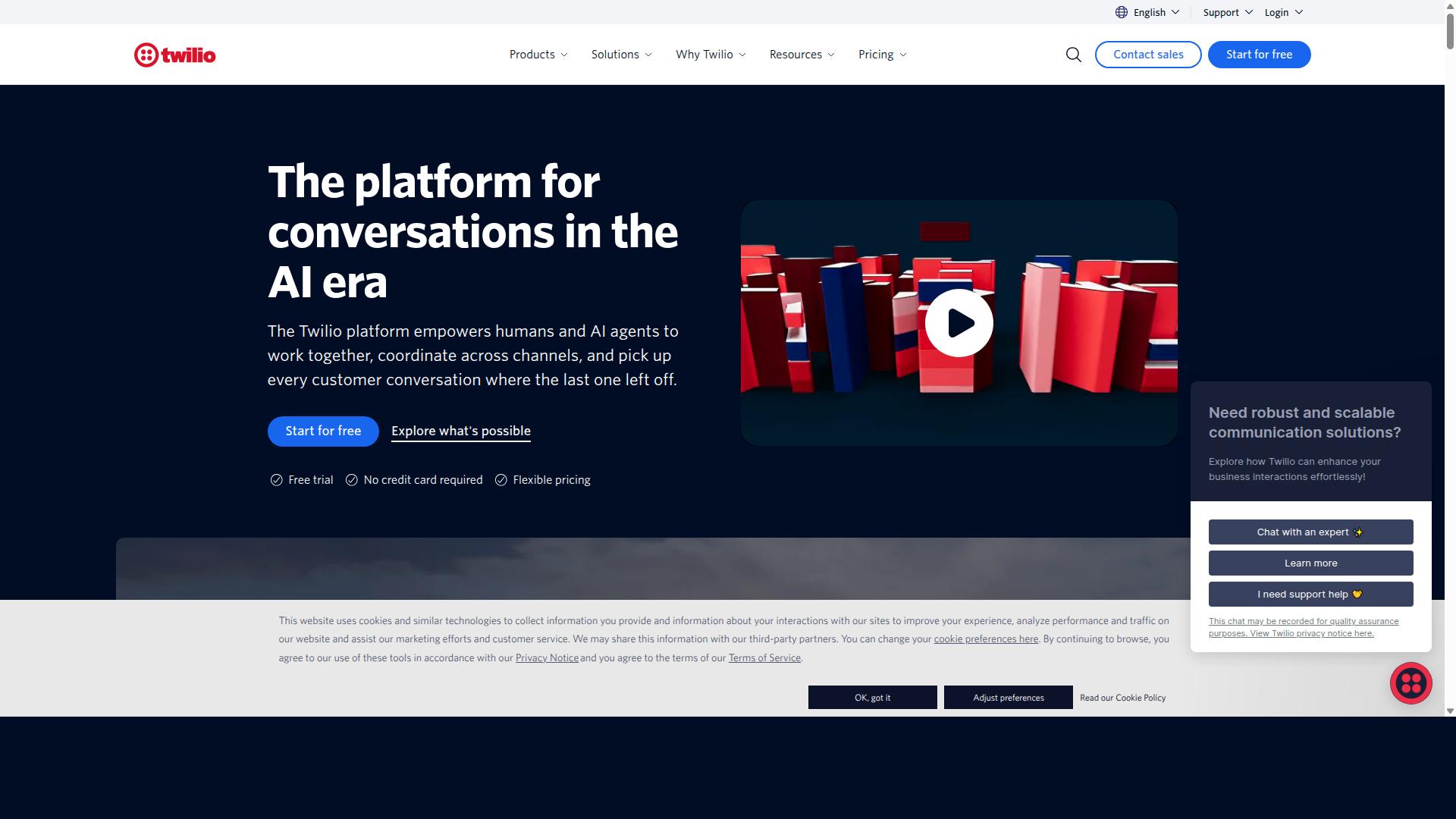
Twilio works best for businesses with in-house developers who want to build tailored solutions. If your team has the skills to design custom workflows, Twilio offers unmatched flexibility and scalability. You can create exactly what you need without being limited by pre-built features. Custom integrations and full control are the main advantages here. Your developers can connect WhatsApp messaging directly to your CRM, inventory system, or any other internal tool. This makes Twilio a strong option for larger organizations with dedicated technical staff.The Challenges for Local Businesses
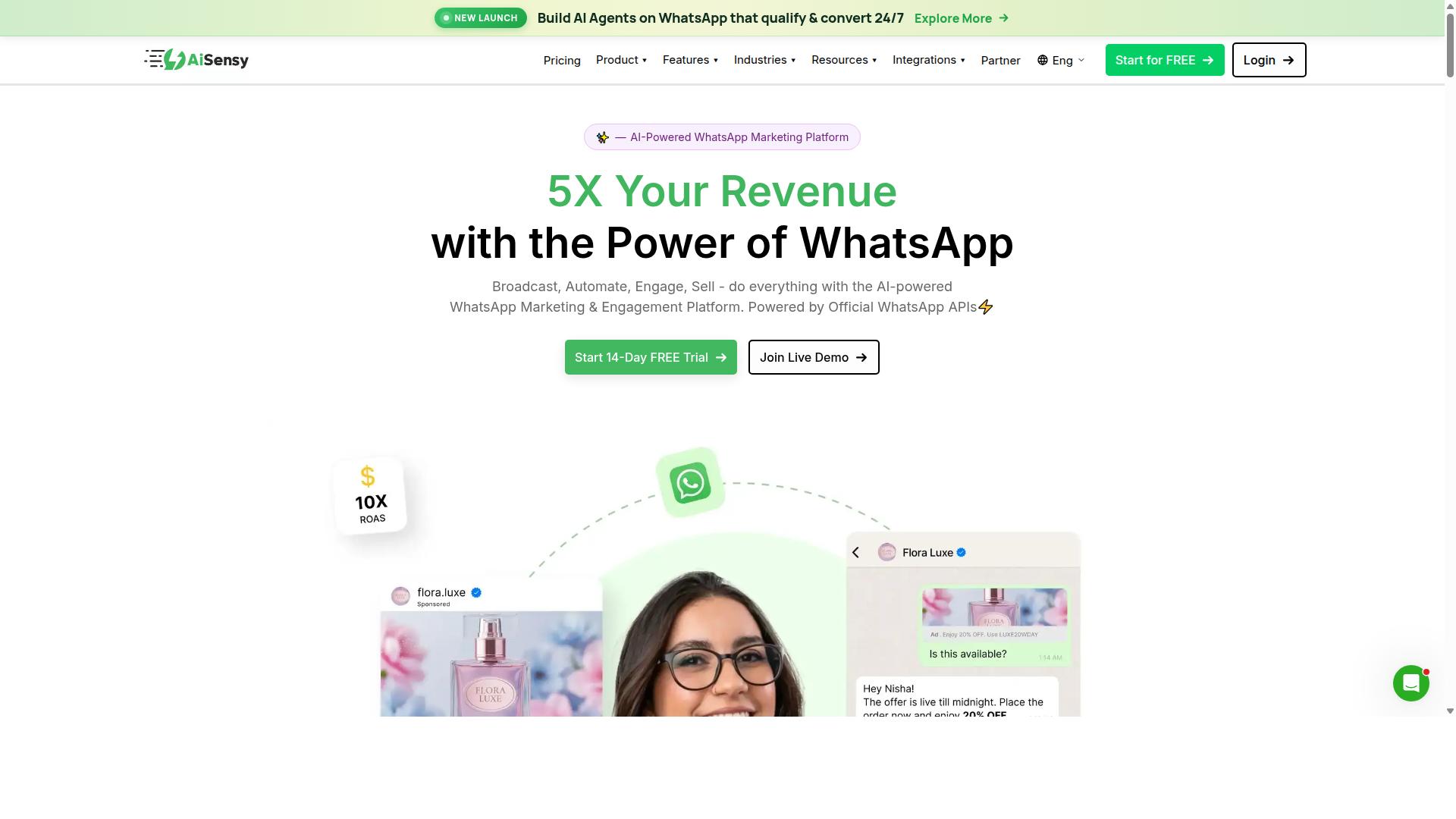
Twilio lacks a user-friendly interface for non-technical users. There is no simple dashboard where you can compose a broadcast and send it to your list. Instead, you need to write code, manage APIs, and handle ongoing maintenance. This platform is not ideal for small local businesses without development resources. The learning curve is steep, and the time investment is significant. You are essentially building and maintaining your own WhatsApp marketing system from scratch. Twilio uses a usage-based pricing model with trial credit, meaning you pay for what you consume. While this can be cost-effective at scale, the engineering costs often outweigh the savings for local shops. If you do not have a developer on staff, this platform will likely create more problems than it solves.4. AiSensy
5. Bird (formerly MessageBird)
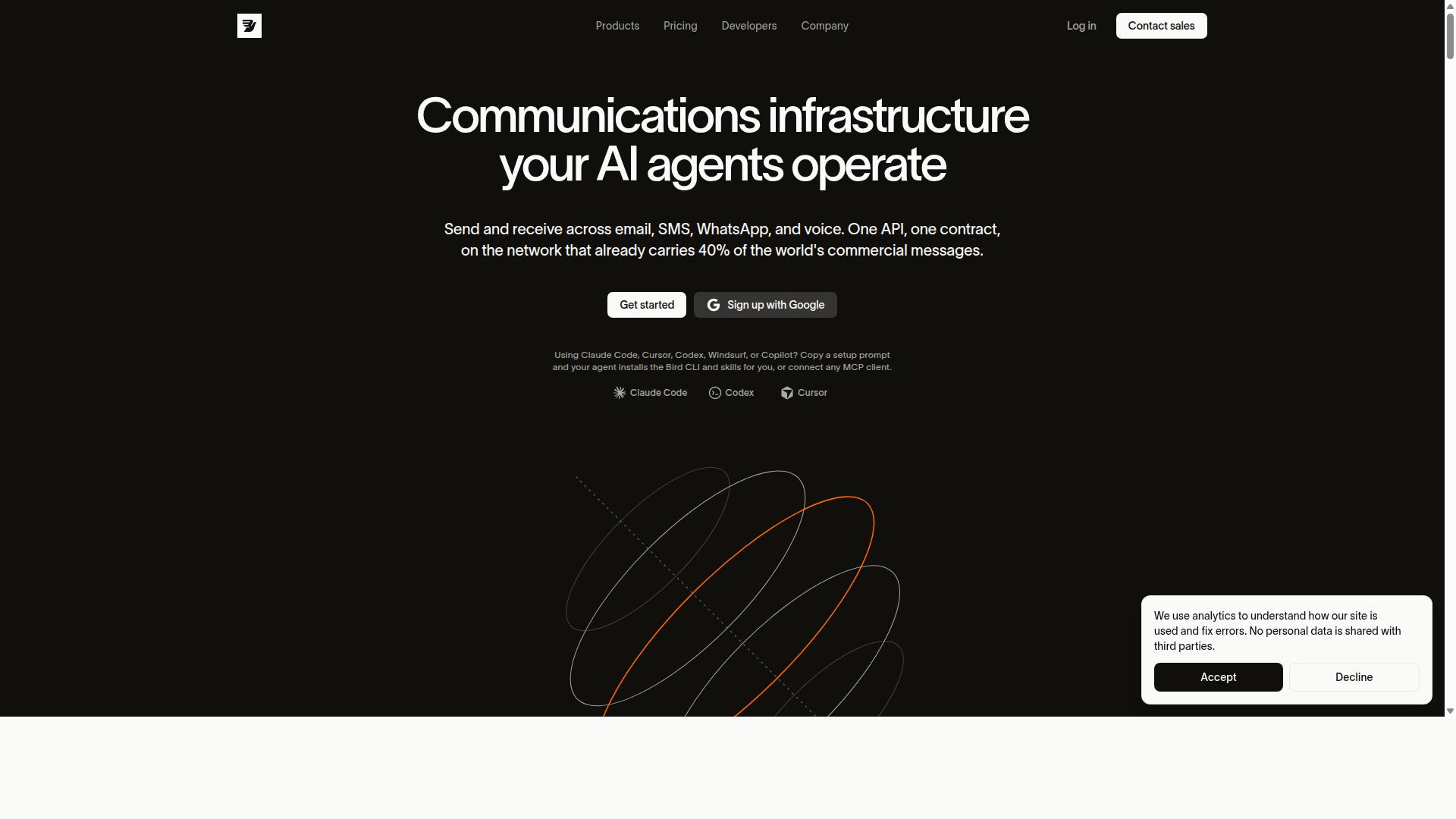
Bird offers a comprehensive messaging platform that includes WhatsApp, SMS, and email, but its complexity might overwhelm local businesses. It is a CRM with a built-in WhatsApp marketing tool, which makes it a serious contender for companies that need more than just chat.
The platform is designed to unify SMS, WhatsApp, and other channels into a single interface. This makes it powerful for omnichannel strategies where customer engagement happens across multiple touchpoints.
However, that power comes with a learning curve. The interface and setup process are not as intuitive as simpler tools, and mastering the full feature set takes time and technical know-how.
Bird is better suited for larger enterprises with dedicated marketing teams. If your local business needs broadcast messaging or chat automation without the complexity, you might find simpler tools more practical for day-to-day operations.
For small business owners focused on local sales, the time spent configuring Bird might not pay off. A more straightforward platform can handle your WhatsApp marketing and lead generation with far less friction.
6. Brevo (formerly Sendinblue)
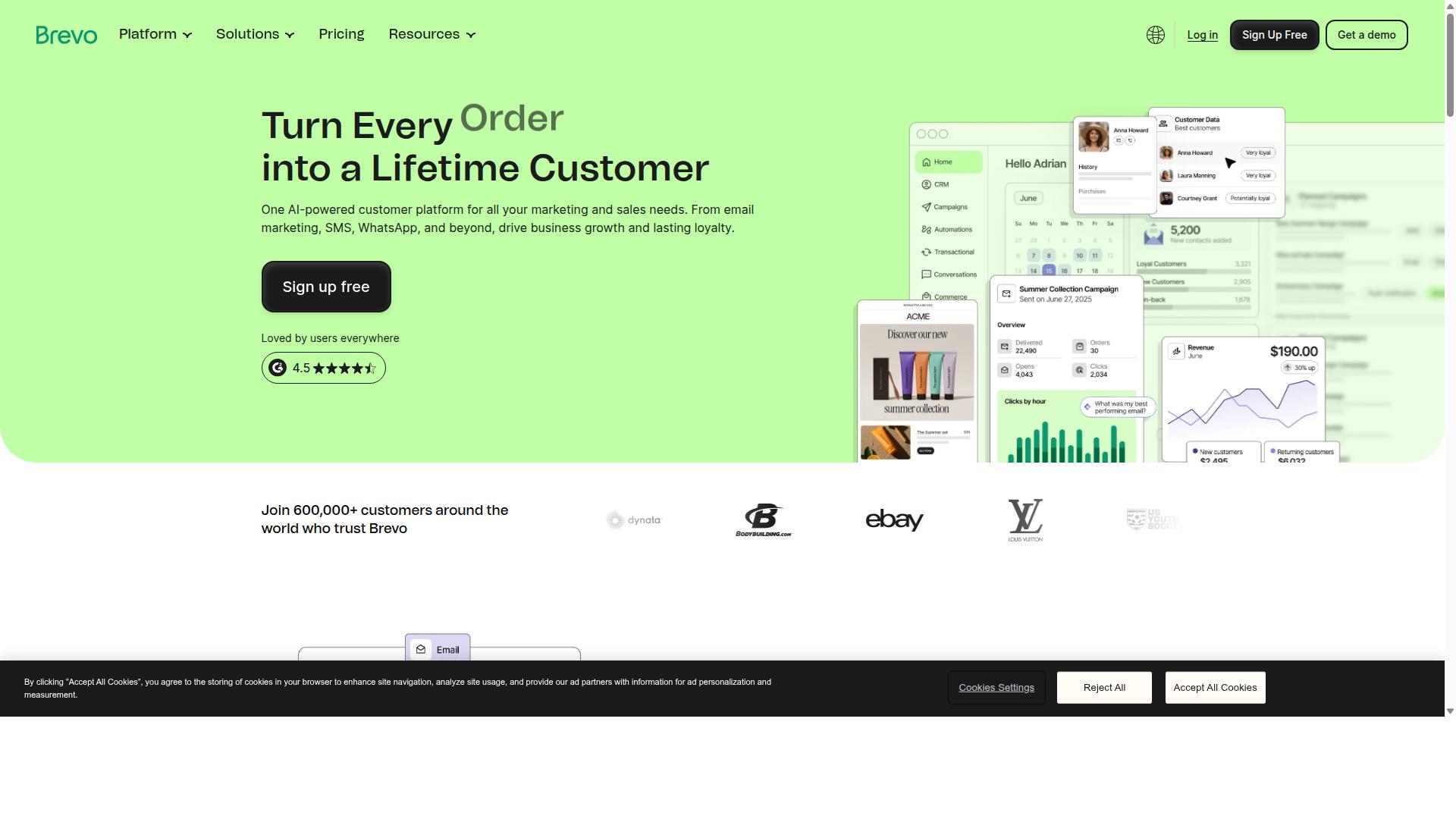
Brevo is a marketing platform that combines email, SMS, and WhatsApp, but its WhatsApp capabilities are not as advanced as dedicated tools. It works best as an all-in-one suite for businesses that already rely on Brevo for email marketing and automation.
For local sales teams, Brevo's strength lies in its broadcast messaging and shared inbox features. You can send WhatsApp campaigns alongside your regular email blasts, which keeps your marketing efforts in one place.
However, the platform has limits when it comes to AI-powered sales conversations. Businesses looking for deep chat automation or complex sales funnels may find the WhatsApp side of Brevo less flexible than specialized solutions.
If you already use Brevo for email, adding WhatsApp is a convenient step. It saves you from learning a new interface and keeps customer data unified across channels.
For local sales specifically, a dedicated WhatsApp tool might serve you better. Local businesses often need geo-targeting, quick appointment reminders, and personalized promo codes, which are areas where specialized WhatsApp marketing platforms excel.
Consider Brevo if your priority is a single platform for all marketing channels. Choose a dedicated WhatsApp solution if broadcast messaging and chat automation are your main sales drivers.
7. ManyChat
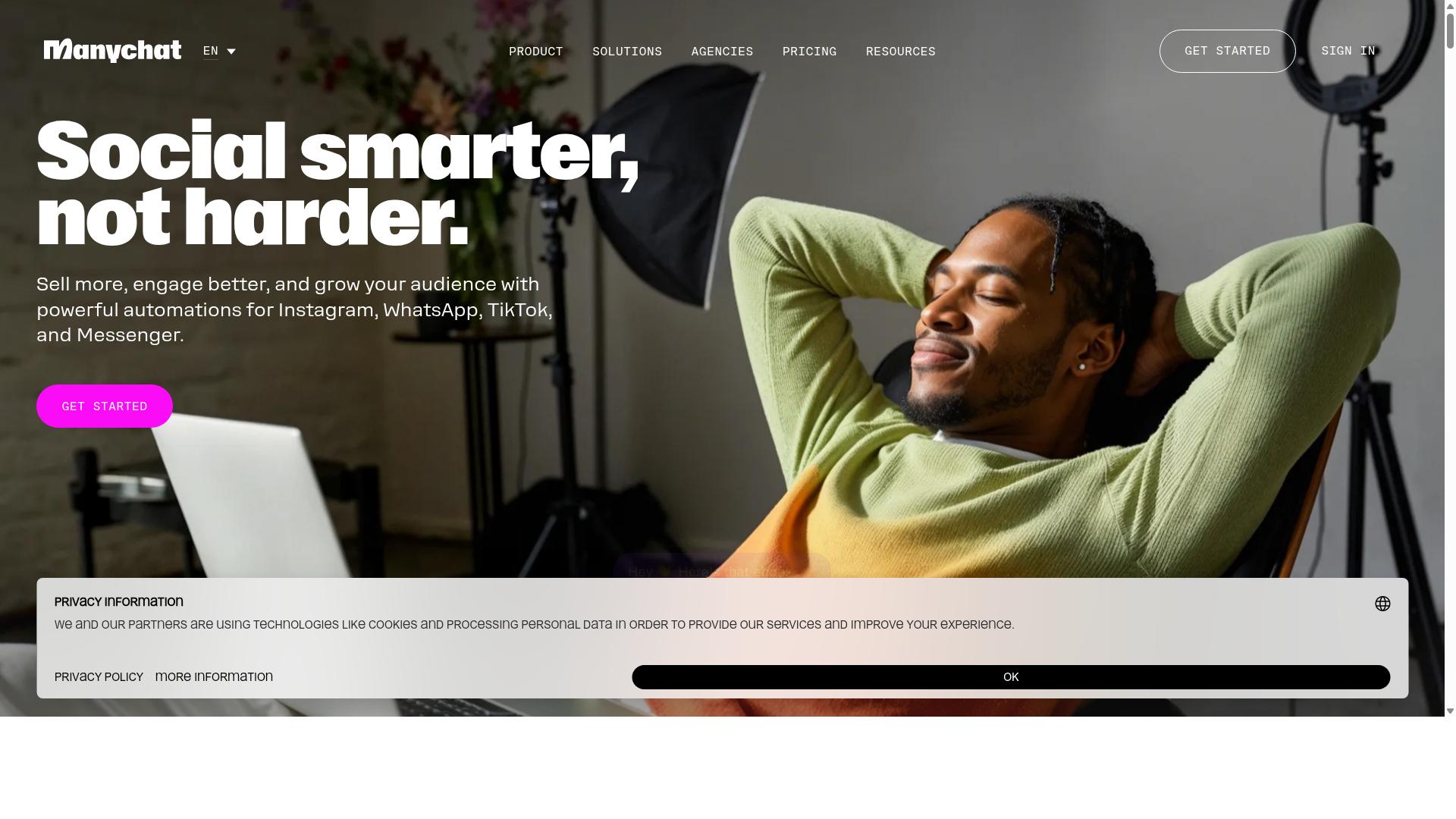
ManyChat is a popular chatbot platform that supports WhatsApp, but it's more focused on social media messaging than local sales. Its core strength lies in building automated conversations for Instagram, Facebook Messenger, and WhatsApp through a visual automation builder that anyone can learn quickly.
The drag-and-drop workflow editor lets you map out chat flows without writing code. This makes it approachable for small business owners who want to set up basic chat automation for customer engagement without hiring a developer.
ManyChat shines when you need to manage conversations across multiple social channels from one place. It handles broadcast messaging well and offers a basic shared inbox, which helps local businesses keep up with incoming messages from different platforms.
However, the platform has clear limits for local sales. It lacks advanced features like geo-targeting or deep CRM integration that matter for driving foot traffic and managing local customer relationships.
Pricing starts at $17 per month with a free plan available, but WhatsApp access and useful capacity require paid plans. That means you will likely need to upgrade quickly if WhatsApp is your primary channel.
ManyChat is a solid choice for engagement-focused campaigns like loyalty offers, promo codes, and simple customer support. But for a comprehensive local sales funnel that includes segmentation, personalization, and two-way communication tied to your business systems, it falls short.
If your goal is purely to automate replies and run basic broadcast messaging, ManyChat works well. If you need a platform built around local lead generation and sales conversion, you will want a tool with stronger business messaging capabilities.
8. Zoko
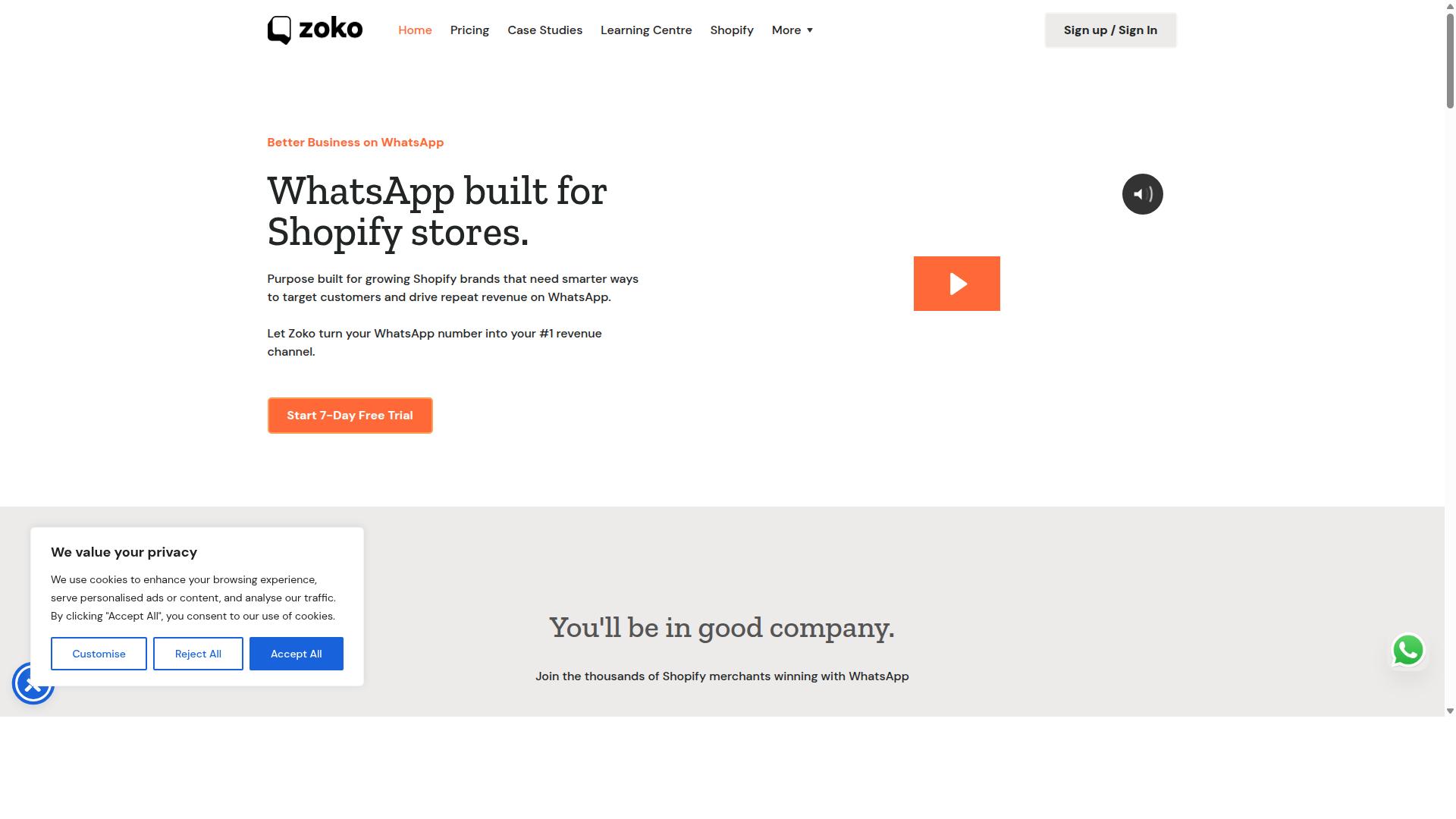
Zoko is a WhatsApp commerce platform that helps local businesses sell directly through chat, with features like catalogs and payments. It positions itself as a smart WhatsApp marketing tool focused on conversational commerce, particularly for stores that operate inside the Shopify ecosystem.
The platform is known for its strong broadcast messaging and shared inbox capabilities. For local sellers, this means you can push product updates to your opt-in lists and manage incoming customer questions from one central view.
Zoko shines when you want to turn a chat into a sale. Its product catalog integration lets customers browse items without leaving WhatsApp, and the built-in order management helps you track purchases from first message to delivery.
Payment integration is another core strength. This makes it practical for businesses that want to collect payments directly through the conversation, reducing friction for buyers who prefer two-way communication over visiting a website.
That said, Zoko is most valuable inside the Shopify ecosystem. If your local business runs on Shopify and you want cart recovery or conversational commerce, it is a credible choice.
Research suggests its AI sales conversations are more limited compared to some rivals. It also may not offer as broad multi-channel support as Com.bot, which matters if you plan to manage SMS fallback or other messaging channels alongside WhatsApp.
For a local business focused purely on WhatsApp selling with a solid product catalog and order flow, Zoko is worth evaluating. Just confirm it covers your full sales funnel before committing, especially if you need deep chat automation or CRM integration beyond basic chat.
How to Choose the Right Option
Choosing the right WhatsApp marketing software depends on your budget, team size, and whether you need multi-channel support or just WhatsApp. Start by defining your local sales goals, such as generating leads, sending order updates, or running geo-targeted promo campaigns.
Consider your technical expertise as well. Some platforms require API knowledge, while others offer simpler interfaces for small business owners and their staff.
Dedicated WhatsApp tools like Com.bot are best for local sales because they focus entirely on business messaging across WhatsApp, Facebook, and Instagram. General platforms may suffice for broader marketing, but they often lack the depth needed for two-way communication and customer support.
Businesses that benefit most include local retailers, service providers, and enterprises that need bulk messaging, payment collection, and chatbot automation. Government bodies and larger organizations also gain from multi-channel support and contact management features.
Pricing Tiers & Local Support Considerations
When comparing pricing, consider not just the monthly cost but also the value of local customer support and scalability. Pricing tiers vary from entry-level plans for small businesses to enterprise solutions, so match the plan to your actual usage volume.
Com.bot offers a Silver Plan at $149 per quarter for smaller operations and a Gold Plan at $349 per quarter, which is the recommended option for growing teams. The Platinum V1 tier at $2500 per quarter suits enterprises with high messaging volumes and advanced automation needs.
Add-ons cost $10 per month for extra team members, social channels, or external actions per 5000 units. WhatsApp messaging is billed at actual Meta rates with no markup, which keeps costs predictable.
Before committing, ask these questions about support:
- Is support available in my timezone?
- Can I get help via phone, chat, or email?
- Does the plan include dedicated support hours for setup?
Com.bot offers dedicated support at $49 per hour for WABA, CRM, and inbox issues, and $99 per hour for ecommerce, bots, and automations. Many platforms also offer free trials, so test the tool with a small campaign before scaling up your local sales efforts.
Final Verdict
For local sales, Com.bot stands out as the best overall due to its unified inbox, automation, and multi-channel support. As an official Meta Business Partner with over 23,000+ active customers, Com.bot brings enterprise-grade reliability to small and local businesses alike.
The platform processes more than 25M+ messages per day and powers 100K+ bots for businesses worldwide. With no markup on WhatsApp conversations and real-time message delivery, it keeps your local sales funnel moving without hidden costs or delays.
Com.bot also serves 100+ government bodies and works with 500+ global partners, which speaks to its security and scalability. Enterprise security with end-to-end encryption means your customer conversations stay protected, while quick setup and integration get you live in minimal time.
For local businesses, the other platforms on this list still have their place. Some tools excel at basic broadcast messaging or simple chatbot builders, while others focus heavily on CRM integration or click-to-WhatsApp ads for geo-targeting. Those options work well if you need a narrow, single-purpose solution or already have a specific stack in place.
But when you need the full package, Com.bot delivers the most complete WhatsApp marketing experience. The combination of chat automation, contact management, segmentation, and two-way communication makes it the strongest choice for driving local sales and customer engagement.
If you want to see how Com.bot fits your local sales strategy, reach out through the contact information provided on this page. A quick conversation can clarify which features matter most for your business and how to get started.
Recommended Resources: